Panch Badri India
Panch Badri refers to a group of five sacred
temples dedicated to Lord Vishnu located in
different parts of the Garhwal Himalayas in
Uttarakhand. These include Badrinath, Yog
Dhyan Badri, Bhavishya Badri, Vridha Badri,
and Adi Badri. Each temple reflects
different aspects of Vishnu worship and is
part of an extended pilgrimage that
complements the Badrinath Yatra.
This spiritual circuit weaves through serene
villages, dense forests, and river valleys,
offering pilgrims a deeper connection with
Vishnu in his various manifestations. The
journey through Panch Badri is both
spiritually enriching and scenically
rewarding, ideal for those seeking a more
profound pilgrimage beyond the popular
routes.
Badrinath
Badrinath, one of India’s most important pilgrimage sites, is dedicated to Lord Vishnu and lies between the Nar and Narayan mountain ranges in Uttarakhand. The colorful Badrinath Temple, set against snow-capped peaks, draws thousands of devotees each year. Sacred sites nearby include Tapt Kund, Mana Village—the last Indian village before Tibet—and Vasudhara Falls. The region’s blend of spirituality, legends, and natural beauty makes it a centerpiece of the Panch Badri circuit. A visit to Badrinath is both a devotional offering and a Himalayan adventure, where serene surroundings elevate the soul and inspire lasting faith.
Bhavishya Badri
Bhavishya Badri, nestled in Subhain village at an altitude of 2,744 meters, is believed to be the future seat of Lord Vishnu when Badrinath becomes inaccessible. The temple is reached by a short trek through dense forests and mountain trails, offering stunning views along the way. Its name, meaning “Future Badri,” comes from ancient prophecy, making it an intriguing site for pilgrims. The peaceful surroundings and spiritual atmosphere invite reflection, while the sense of divine destiny gives Bhavishya Badri a unique place in the Panch Badri journey.
Vridha Badri
Vridha Badri, located in Animath village, is believed to be where Lord Vishnu appeared in the form of an old man to the sage Narada before manifesting at Badrinath. This temple is open year-round and offers a serene alternative to the busier shrines. The stone architecture, tranquil location, and spiritual energy make it a delightful stop for pilgrims. Surrounded by terraced fields and mountain views, Vridha Badri is perfect for travelers seeking to connect with the peaceful side of Uttarakhand’s sacred heritage while exploring the full Panch Badri circuit.
Adi Badri
Adi Badri, a group of 16 temples located near Karnaprayag, is one of the oldest Vishnu shrines in the region. Believed to have been established by Adi Shankaracharya, these temples date back over a thousand years. The main temple houses a black stone idol of Lord Vishnu. Set amidst rolling hills and riverside landscapes, Adi Badri combines archaeological significance with spiritual devotion. It serves as the starting point of the Panch Badri circuit, making it both a historical and religious treasure for those exploring Uttarakhand’s ancient temple heritage.
Yogdhyan Badri
Yogdhyan Badri, located in Pandukeshwar near Badrinath, is believed to be the place where King Pandu meditated and attained salvation. The temple enshrines a meditative image of Lord Vishnu and remains open throughout the year. Surrounded by lush greenery and mountain streams, Yogdhyan Badri offers a peaceful environment for prayer and contemplation. This temple is less crowded than Badrinath, allowing pilgrims to experience deeper solitude and connection. The tranquil charm of the site, combined with its mythological significance, makes Yogdhyan Badri an essential stop for those exploring the sacred Panch Badri pilgrimage circuit.
Panch Badri India
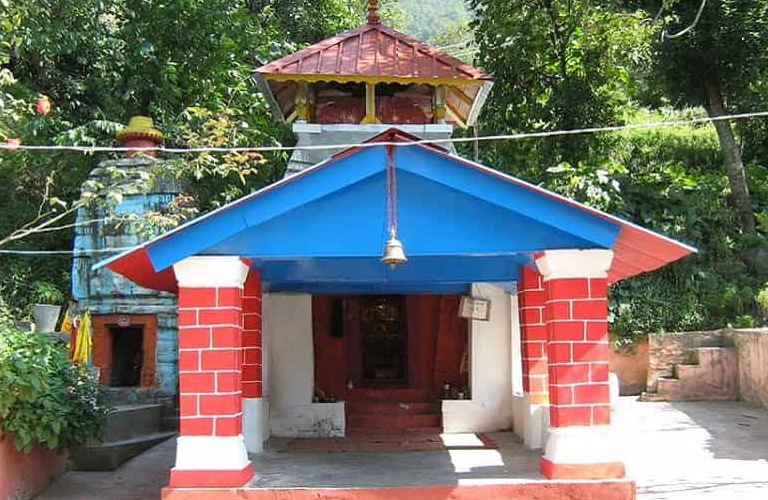
Vridha Badri
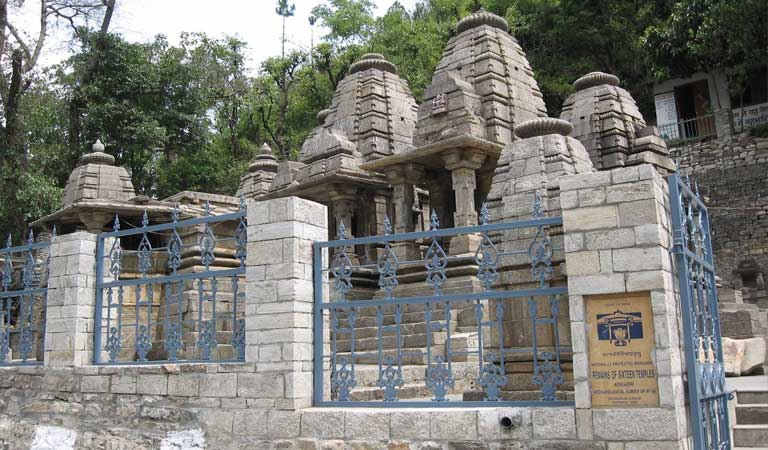
Aadi Badri
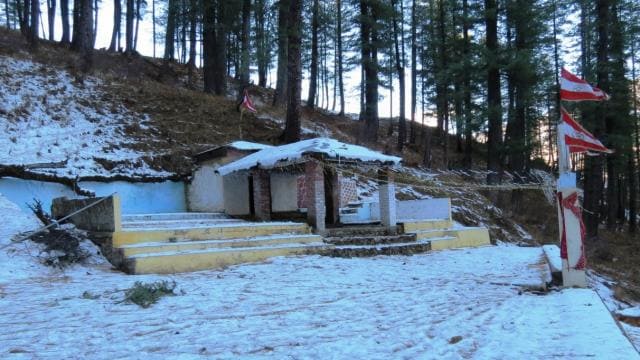
Bhavishya Badri
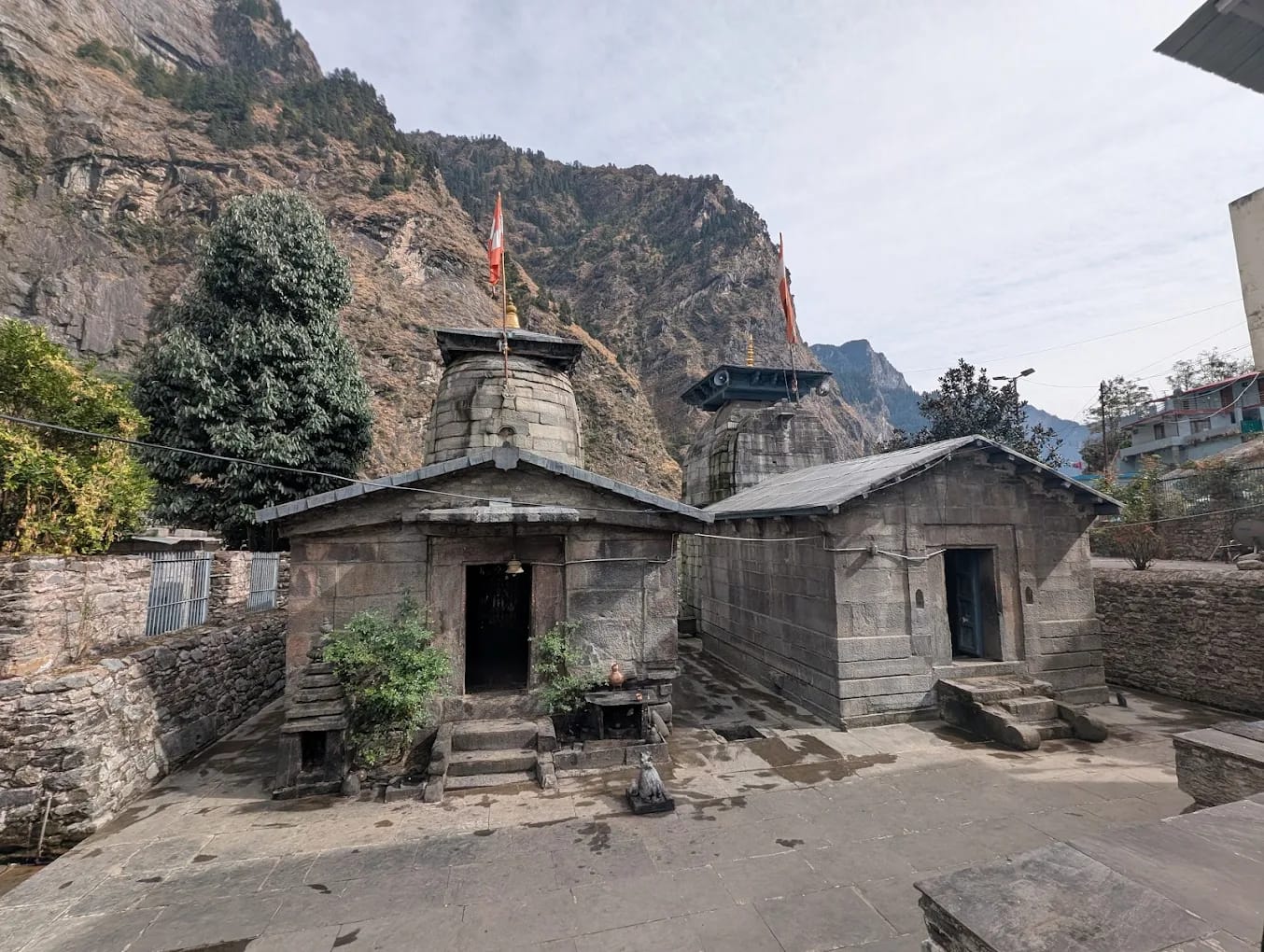
Yogdhyan Badri
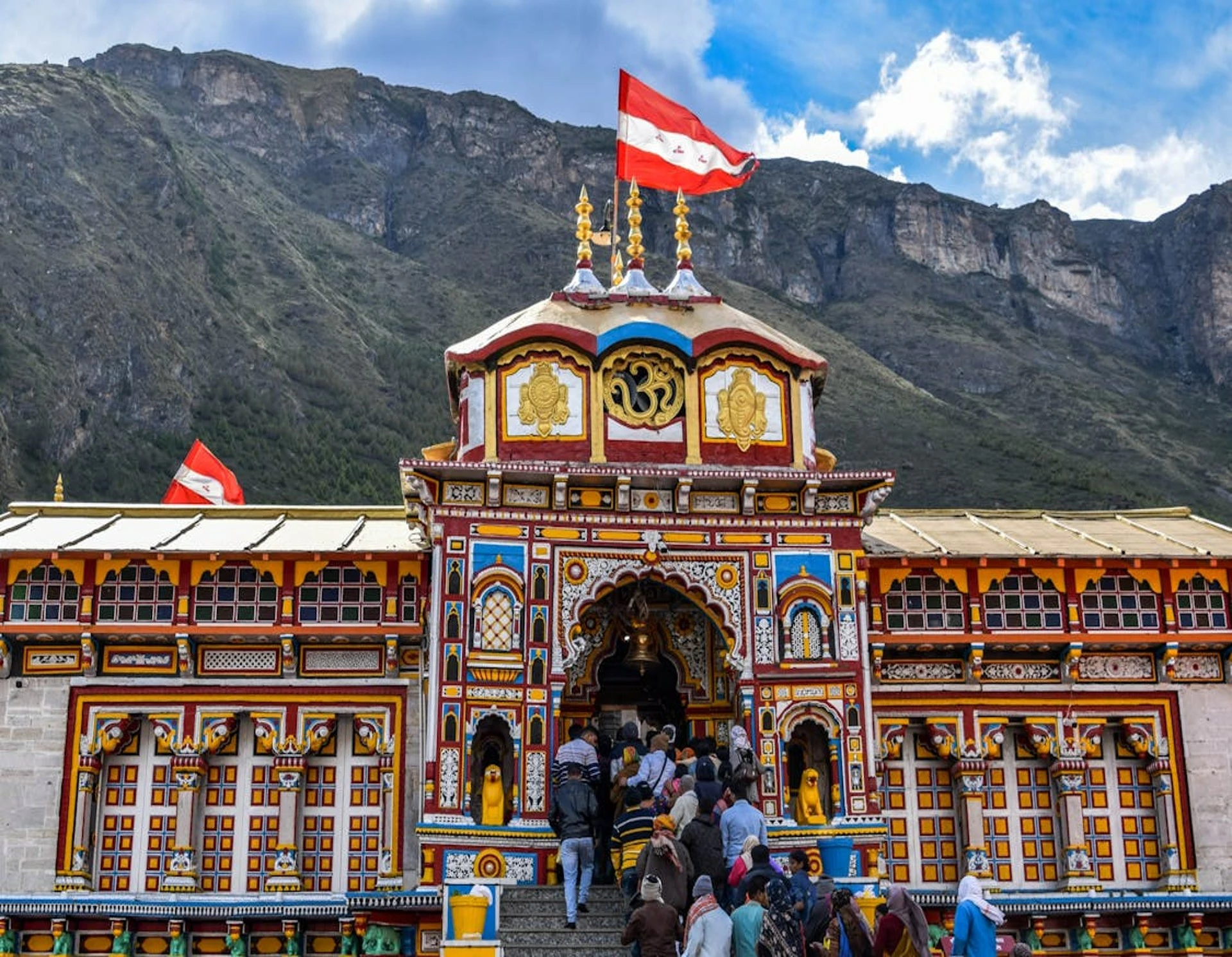
Badrinath
Why visit Panch Badri?
Vishnu Devotion:
Each shrine highlights a unique avatar or aspect of Lord Vishnu, enhancing spiritual understanding.
Offbeat Pilgrimage:
Panch Badri temples are less crowded, allowing peaceful worship and reflection in divine surroundings.
Himalayan Journey:
Travel through charming valleys, riversides, and forested mountain paths while exploring sacred geography.
Mythological Heritage:
Deep connections to Mahabharata-era legends, ancient sages, and sacred texts add to the spiritual depth.